When 140+ countries demand dairy from Ireland, what impact does that have locally?

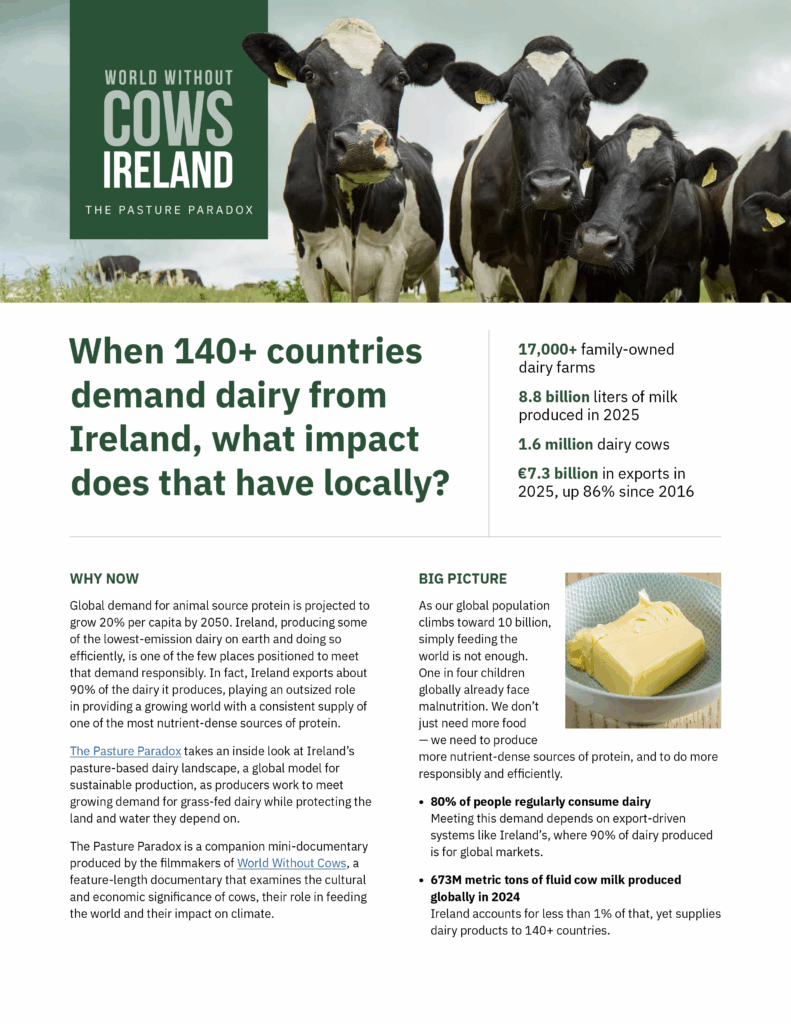
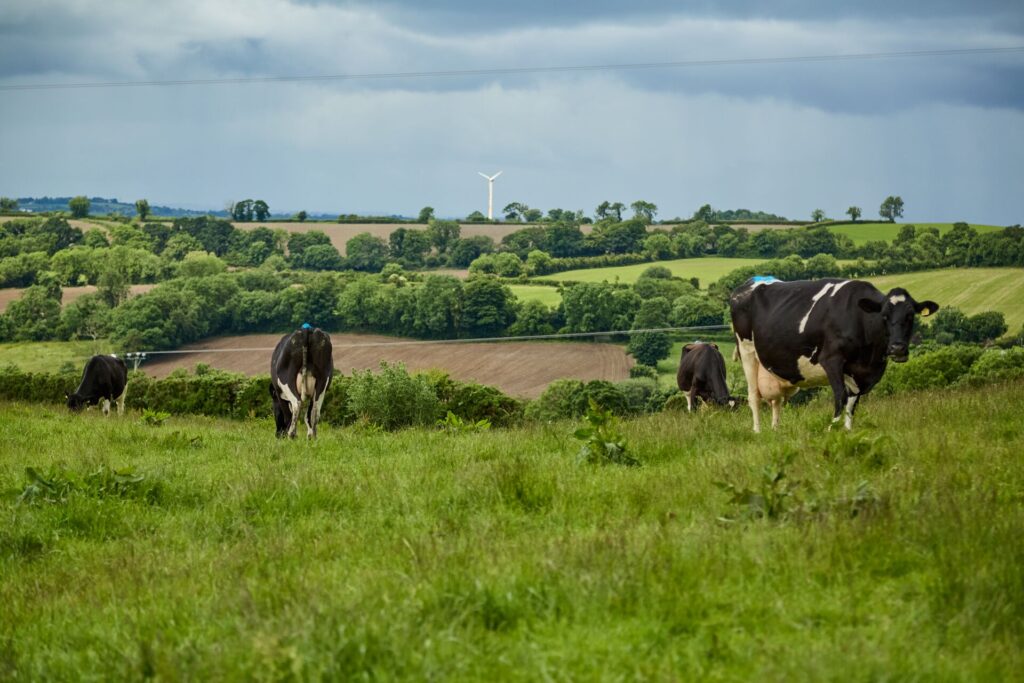
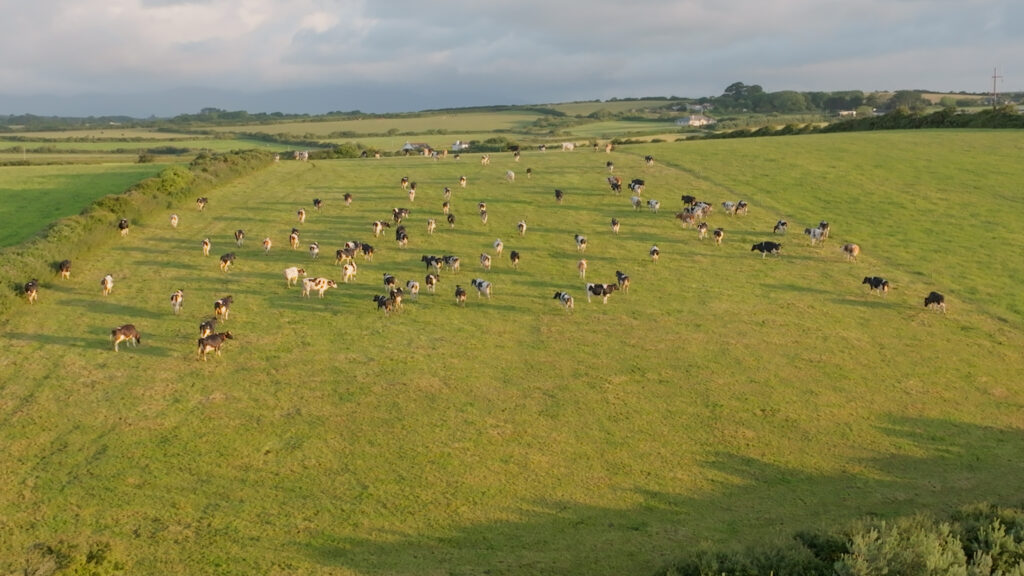
World Without Cows: The Pasture Paradox takes an inside look at Ireland’s pasture-based dairy landscape, a global model for sustainable production, as producers work to meet growing demand for grass-fed dairy while protecting the land and water they depend on.

Grass-fed efficiency

Ireland by the numbers

0
liters of milk
produced in 2025
0 +
family-owned
dairy farms
0

dairy cows, ~1.2 million of which are concentrated in eastern and southern regions

0 %
of dairy
produced exported
0
billion value of dairy
exports in 2025
0 +
countries importing
Irish dairy products
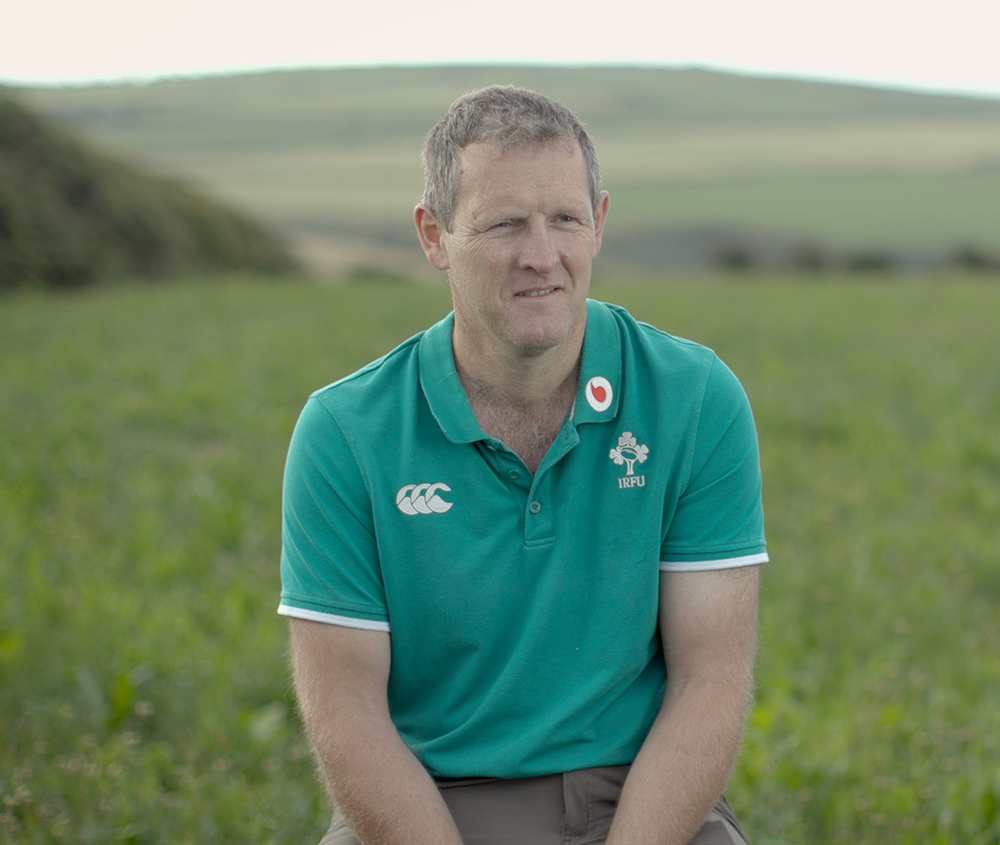
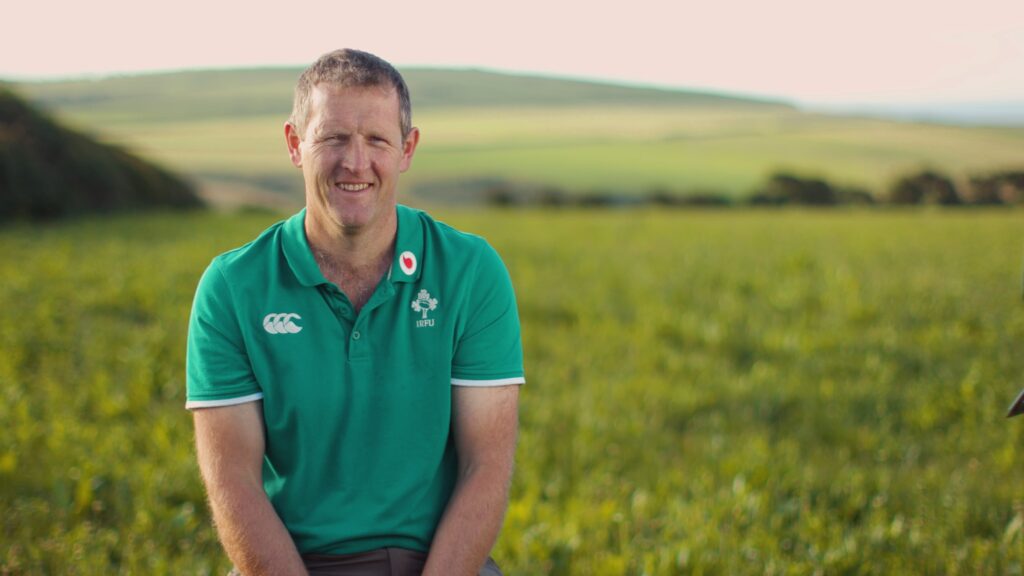
"Farmers care about the environment. They cared about it then, and they care about it now. We’re guardians of this land."
Niall Moore – Third-generation dairy farmer, Co. Waterford, Ireland
Niall Moore
Third-generation dairy farmer, Co. Waterford, Ireland
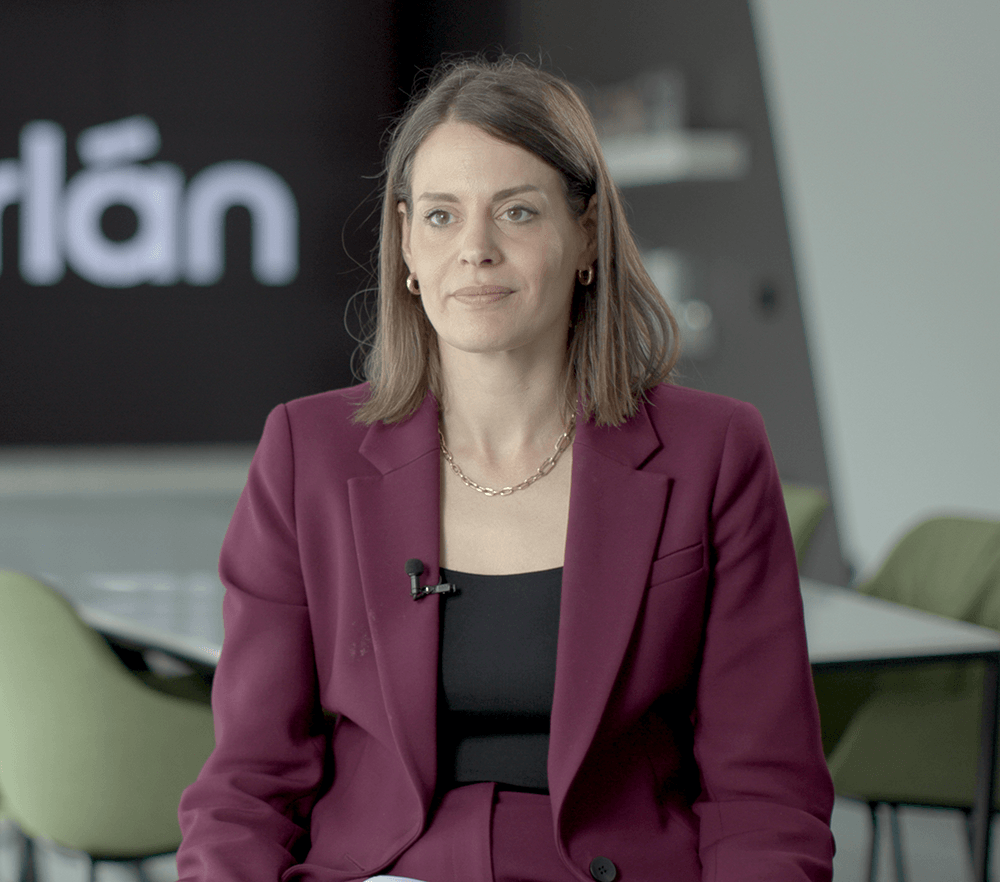
“It's been incredibly difficult to keep on top of developments that are happening. As a sustainability professional, if I find it challenging, I can only imagine the overwhelm that must exist at farmer level.”
Lisa Koep – Chief ESG Officer, Tirlán, Co. Killkenny, Ireland
Lisa Koep
Chief ESG Officer, Tirlán, Co. Killkenny, Ireland
“We’ve really seen a change in the narrative in Ireland. A change from maybe resistance and a reluctance at one stage — probably a little bit of denial of the issue — to a complete transformation and recognizing this issue needs to be addressed.”
Laura Burke – EPA, General Director, Co. Wexford, Ireland
Laura Burke
Former EPA General Director, Co. Wexford, Ireland
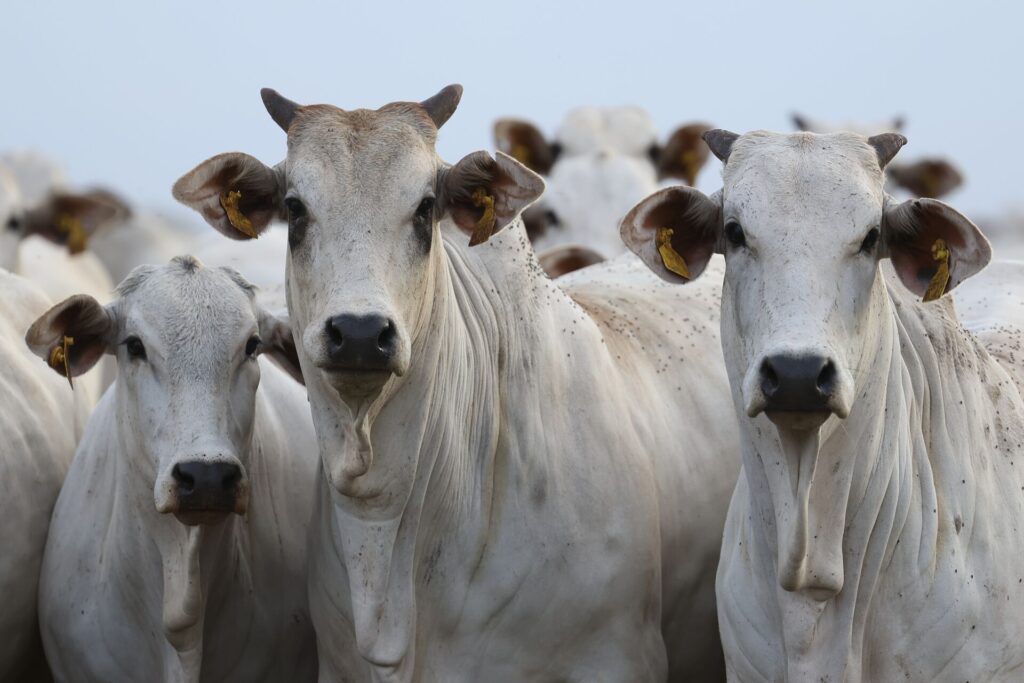
Brazil Beef Pureza 094
Brazil Beef Pureza 066

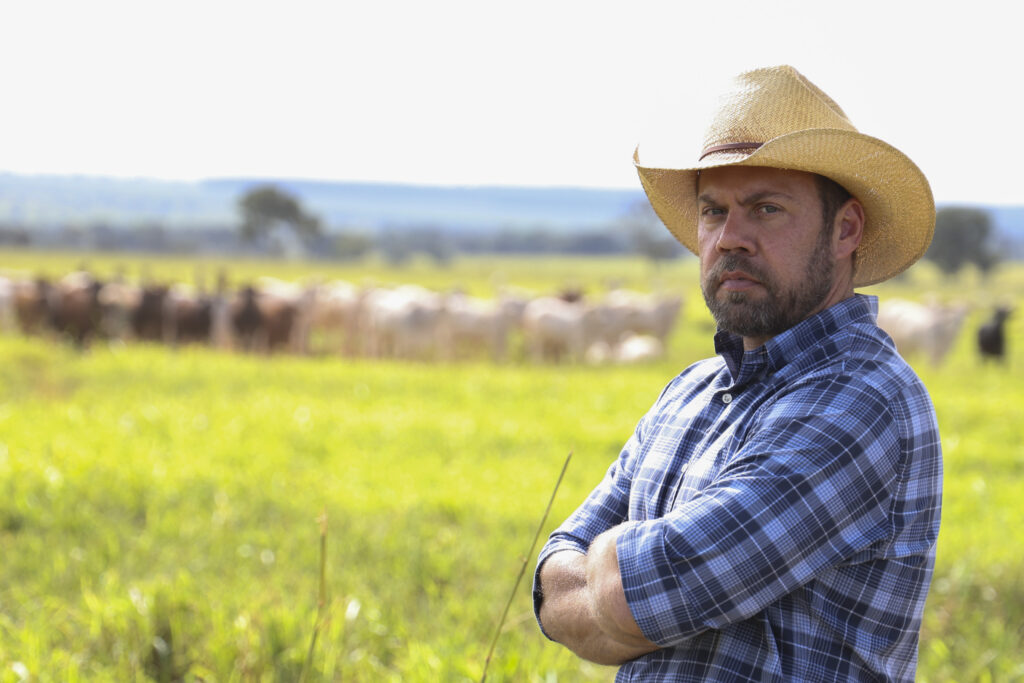
Liège Correria, sustainability director, JBS Brazil

"We have an enormous capacity to produce food, but we still face challenges. And the size of the challenge matches the size of the opportunity we have as a country."

how green can one country be?

Ireland Map w NI scaled

Scale

Brazil is the world’s #1 beef exporter. It supplies 1 in 5 kilos of beef traded globally and holds 40 million hectares of degraded pasture — an area the size of California. The country is working to increase production on existing pasture through better management rather than expanding into forested areas.

Safeguards

While headlines often accuse cattle ranching of driving deforestation, few outside Brazil know that ranchers must comply with one of the strictest environmental laws in the world, requiring them to preserve 20–80% of their land. The Forest Code balances productive farming with conservation, requiring producers to preserve native vegetation, protect sensitive areas like riverbanks and restore illegally cleared lands.

Solutions

Agriculture accounts for 80% of global deforestation. Brazilian ranchers are helping shape a more sustainable future. Restoring degraded pastures can sequester carbon, rebuild soils, protect watersheds and increase productivity without deforestation.

Stories

Beef ranching is vital to Brazil’s culture, and its ranchers are stewards of the land interested in preserving their family’s agricultural legacy. They love the land, and they are committed to preserving it.

Scale

Brazil is the world’s #1 beef exporter. It supplies 1 in 5 kilos of beef traded globally and holds 40 million hectares of degraded pasture — an area the size of California. The country is working to increase production on existing pasture through better management rather than expanding into forested areas.

Safeguards

While headlines often accuse cattle ranching of driving deforestation, few outside Brazil know that ranchers must comply with one of the strictest environmental laws in the world, requiring them to preserve 20–80% of their land. The Forest Code balances productive farming with conservation, requiring producers to preserve native vegetation, protect sensitive areas like riverbanks and restore illegally cleared lands.

Solutions

Agriculture accounts for 80% of global deforestation. Brazilian ranchers are helping shape a more sustainable future. Restoring degraded pastures can sequester carbon, rebuild soils, protect watersheds and increase productivity without deforestation.

Stories

Beef ranching is vital to Brazil’s culture, and its ranchers are stewards of the land interested in preserving their family’s agricultural legacy. They love the land, and they are committed to preserving it.
Ireland Map w NI

how green can one country be?

Production

According to the UN Food and Agriculture Organization (FAO) and Teagasc, Ireland’s dairy sector maintains one of the lowest carbon footprints globally, estimated at about 1.02 kg CO₂e per kilogram of milk. Much of that efficiency comes from Ireland’s rain-fed pasture system, where cows graze outdoors for the majority of the year.

Pressure

Irish dairy producers have built one of the most efficient dairy systems in the world. As global demand for animal protein is projected to rise 20% per capita by 2050, Ireland is one of the few places equipped to meet that demand responsibly. This leadership in sustainable dairy production is recognized globally, but lesser understood are the pressures that come with it.

Paradox

The grass that powers Ireland's dairy success is also where one of its most important sustainability responsibilities begins. That's because maintaining the productivity of Ireland's pastures requires the use of nitrogen — the same nutrient that is putting pressure on the country's historically pristine rivers and waterways. This tension has become an increasingly complex challenge within one of the world's most efficient and sustainable food systems.

Progress

Across Ireland, family-owned farms and co-ops, researchers and policymakers are holding each other accountable for maintaining the country's high environmental standards. EPA monitoring shows signs of progress, with about a 10% reduction in river nitrate levels in 2024. While 44% of monitored river sites still exceed nitrate limits for healthy ecosystems, progress is underway and the work continues.

get Facts

Download our fact sheet to learn more about Ireland’s pasture-based dairy system — including the sustainability challenges, environmental progress and innovative practices shaping the future of one of the world’s most efficient dairy sectors.

get Updates

Complete the form below and stay connected for the latest updates, including the global release of the complete World Without Cows documentary midyear.

Explore

Few places tell the story of sustainable dairy production better than Ireland. Learn more about how Irish dairy farmers are balancing their role in meeting the growing demand for animal protein while protecting the land and water they depend on.

World Without Cows Ireland: The Pasture Paradox is a companion mini-doc produced by the filmmakers of World Without Cows, a feature-length documentary that examines the cultural and economic significance of cows, their role in feeding the world and their impact on climate.

Through interviews with farmers, ranchers, scientists and other experts, award-winning journalists Michelle Michael and Brandon Whitworth take viewers on a global journey to ask: how do cows actually affect humans, the environment, and the planet we all share? 

World Without Cows releases globally mid-2026. Want to be among the first 1,000 screenings? Let us know you’re in.