One farm, 100+ cows and a commitment to telling Ireland’s dairy story
How third-generation Irish dairy farmer Niall Moore is farming for the next generation
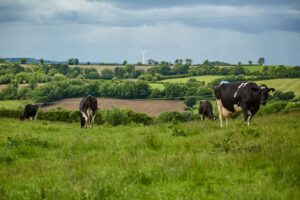
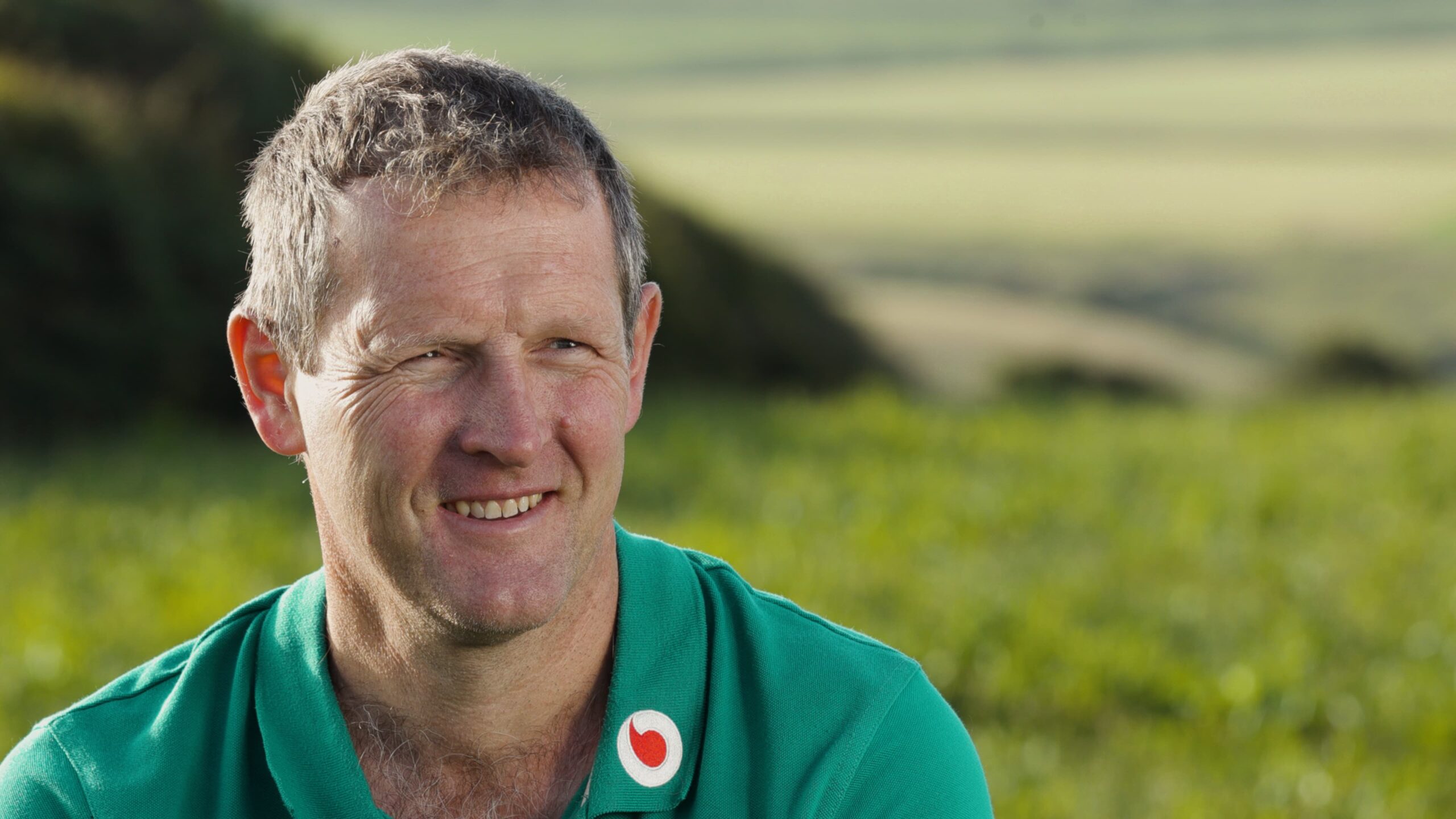
In Ireland’s southeast, dairy farming is both a tradition and a responsibility. For Niall Moore, a third-generation dairy farmer in Waterford and ambassador for Ireland’s National Dairy Council, the work goes far beyond milking cows. It’s about protecting the land and adapting to the ever-evolving needs of both agriculture and the environment.
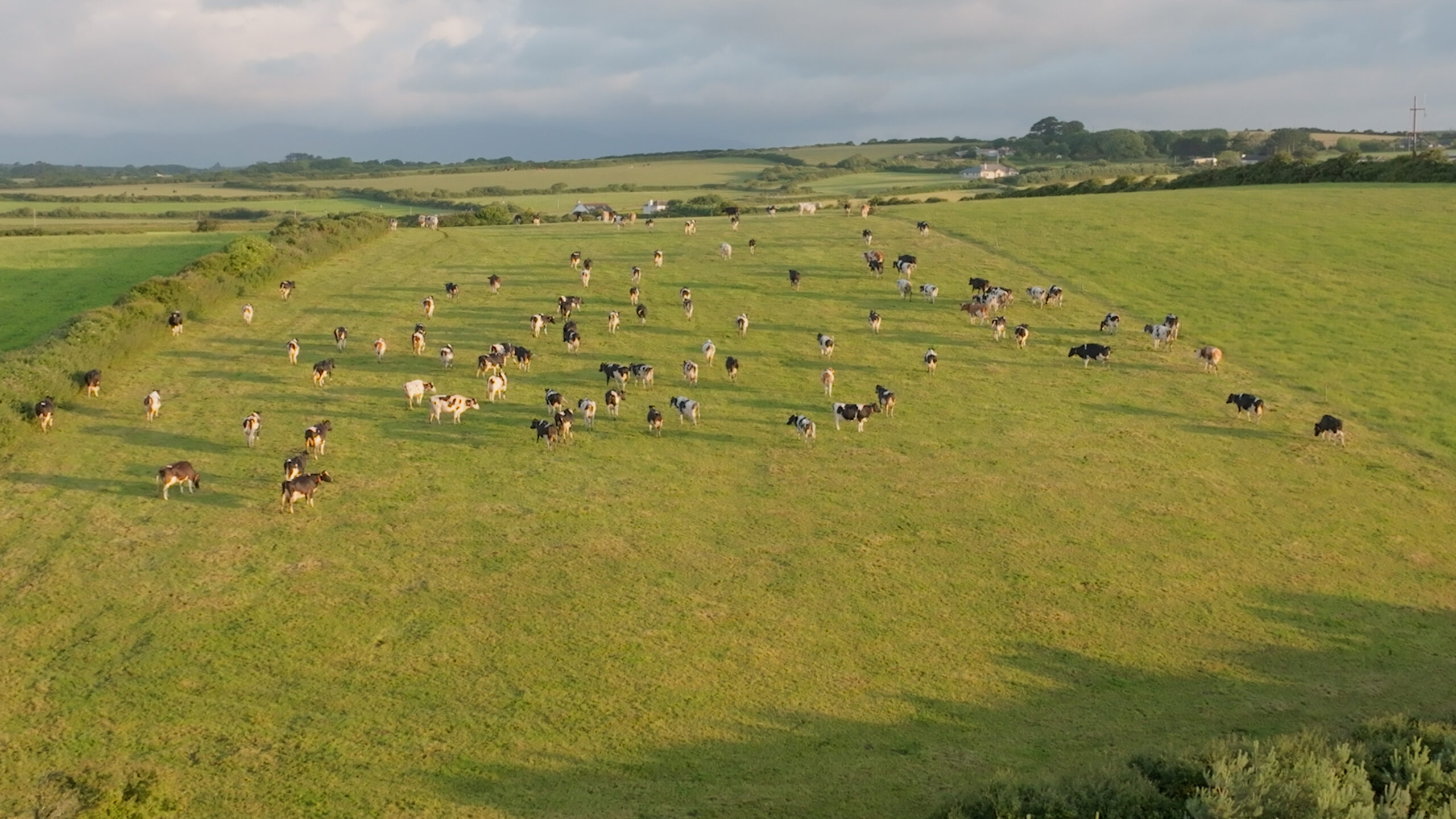
On Moore’s farm, more than 120 cows graze across what many consider some of the most ideal dairy land in the world. Ireland’s climate and fertile soils make it uniquely suited for grass-based dairy production, and global demand for Irish dairy products continues to grow. But as Moore shared with the filmmakers of The Pasture Paradox, a companion mini-documentary to World Without Cows, producing milk means balancing growth opportunity with environmental responsibility.
“It’s always been a position here that we’re caretakers of the environment. Because if the environment isn’t good, it isn’t going to be good for farming,” Moore said.
For Moore, those words carry the weight of three generations. It’s a conviction that runs in the family – all the way back to when his grandfather began farming in the 1920s. Growing up in rural Ireland, life on the farm for Moore was shaped by family, farming and hurling. And he wouldn’t have it any other way.
While the landscape he’s always known remains familiar, the expectations around maintaining it have undoubtedly changed. Previously, government policy encouraged farmers to grow dairy production as much as possible, capturing economic and export opportunities as global demand increased.
As awareness of environmental pressures grew, Ireland introduced regulations designed to protect natural resources. These measures focus on managing soil and water quality — reflecting a shift from maximizing production to balancing productivity with environmental responsibility.
Water quality, and nitrate levels in particular, are at the center of Irish agriculture’s environmental conversation because of the associated risks to aquatic ecosystems and biodiversity. While Ireland’s water quality is among the best in the EU, there are a number of rivers and waterways where nitrates exceed safe limits. This is caused by many human activities and careful management of wastewater, industrial activities and agricultural inputs like slurry and fertilizer are needed to protect these vital ecosystems. For farmers like Moore, this challenge has become a call to innovate.
During filming, the crew captured Moore demonstrating how slurry is spread across his fields. Older technology pumped slurry out of a tank through a narrow opening, spraying it into the air with an aerosol effect – splash plate slurry spreading. While effective at covering ground quickly, much of the nitrogen was lost to the atmosphere rather than benefiting the soil.
To ensure his farm remains productive and the land continues to thrive for the next generation, Moore remains focused on decreasing the environmental footprint of his dairy operation through sustainable farming practices such as:
For Moore, the innovations, the adaptations and the generational commitment to the land all point to one thing: a story worth telling, and an industry that has waited too long to tell it. “We need to tell our story,” Moore said. “And maybe we haven’t been the best at telling our story. But we have a great story to tell.”
And perhaps that is the point. The story of Irish dairy does not need a label to be compelling. It does not need to be packaged or positioned. It just needs to be told — loudly, honestly and with the same conviction Moore brings to the conversation. He said it best himself:
The industry that built one of the world’s most carbon-efficient dairy systems has always had a great story. The world is ready to hear it. Watch World Without Cows Ireland: The Pasture Paradox to get an inside look at Ireland’s pasture-based dairy landscape, a global model for sustainable production, as producers work to meet growing demand for grass-fed dairy while protecting the land and water they depend on.

How third-generation Irish dairy farmer Niall Moore is farming for the next generation

From bog butter to global export powerhouse
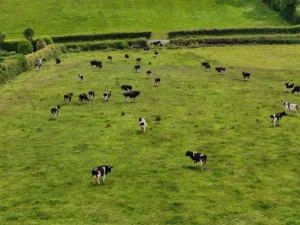
Why the global warming potential of methane emissions from cattle production needs a closer look
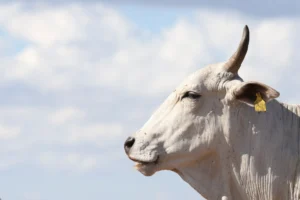
At COP30, the world’s eyes are on Brazil, and the cattle ranchers leading a global transformation.
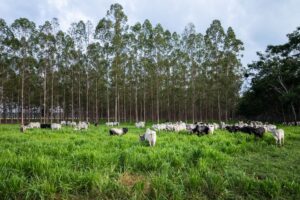
Restoring 40 million hectares of pasture could feed billions and ease pressure on the Amazon. Is the world paying attention?

New mini-doc explores deforestation, food security and the Brazilian cattle sector’s path to a more sustainable future
As climate change intensifies and the world’s population continues to grow, the pressure on our global food production system mounts. You can play an active role in shaping a more sustainable planet for future generations. Fill out the form below to learn more about how you can partner with us.
Receive notifications about the release date, new online content and how you can get involved