Built on grass: How Ireland’s pasture-based dairy system became a global model
How Ireland’s grass-based dairy system became a global model
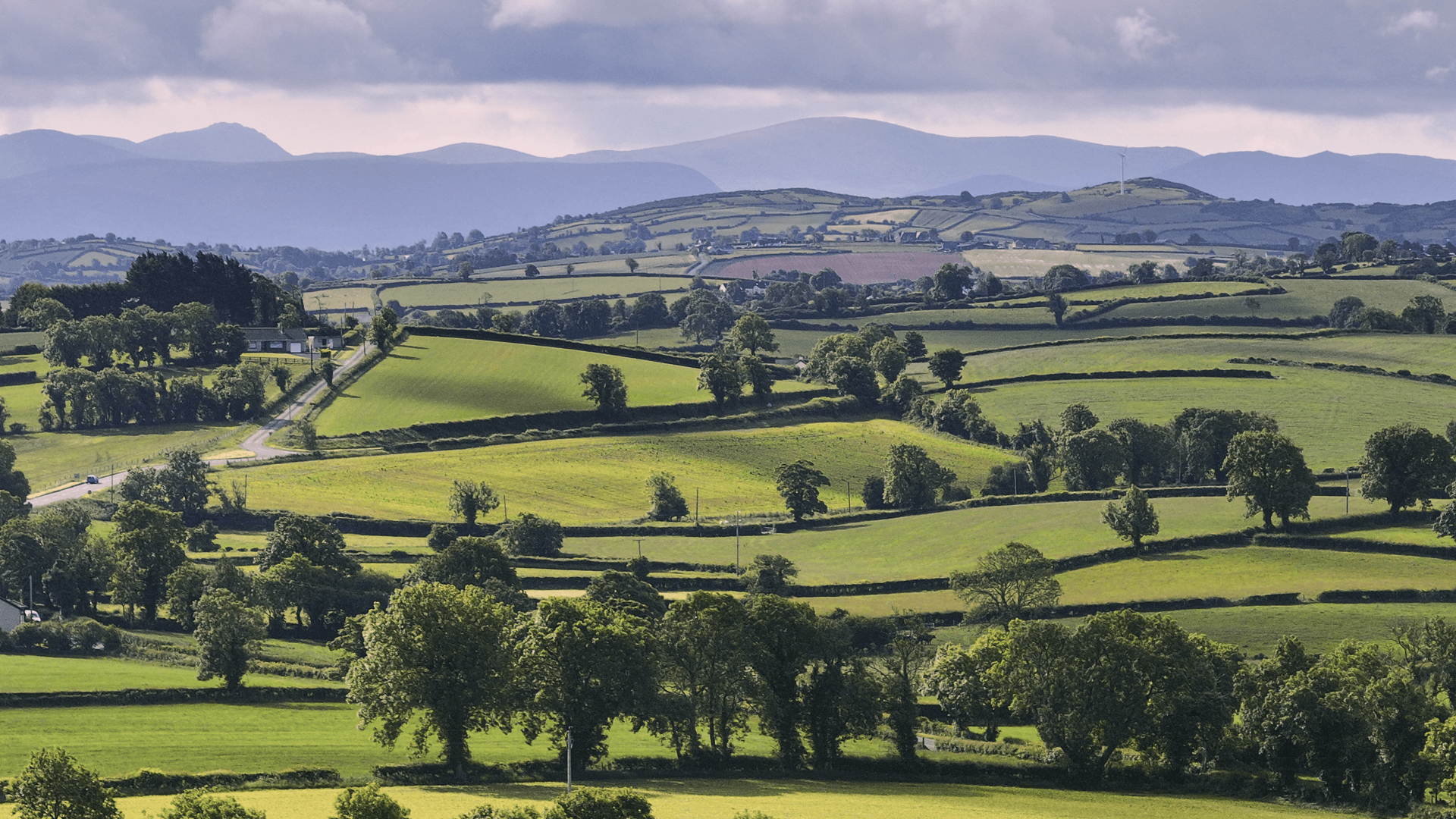
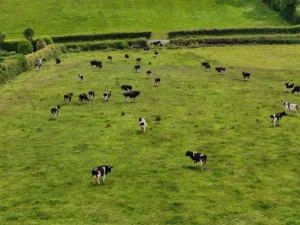
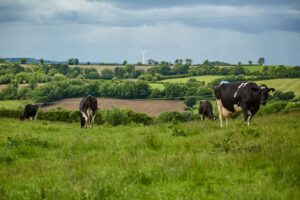
Ireland’s lush pastures provide an ample diet for cows, resulting in nutrient-rich dairy products — especially world-famous Irish butter — that are exported to more than 140 markets.
A unique cooperative farming model has helped Irish dairy scale globally while protecting family farm ownership and product quality.
Today’s Irish dairy farmers are meeting rising environmental pressures with both individual efforts and cooperative action, preserving their family farms while protecting the planet we share.
Ireland’s dairy products are exported to more than 140 markets worldwide, generating more than in export value each year. That’s equivalent to roughly €1,500 for each person, and €1,000 per dairy cow, in the nation!
How do Irish farmers meet this huge demand on a relatively small geographic footprint, and what makes their dairy products stand out in a crowded and competitive global market?
The answer lies in Ireland’s famous nickname: the Emerald Isle.
Close your eyes and picture the Irish countryside. What do you see?
Whatever the landscape, it’s likely in vivid shades of green. That’s what makes Ireland iconic recognized globally as the Emerald Isle — and it’s also the key to its worldwide dominance in dairy.
The lush grasses of Ireland’s pastures are nurtured by the serendipitous combination of a mild climate, fertile soils and an average rainfall of about 1,200 millimeters annually. Over the past decade, Irish dairy farms grew about 13 metric tons of grass per hectare each year. This means Ireland’s dairy cows can spend much of the year outdoors, with a diet that’s 95% grass.
This nutrient-packed diet gives Irish butter its distinctive yellow color, thanks to grass’s natural beta-carotene.
In Ireland, dairy is much more than an industry: It’s central to the nation’s culture and history.
Butter production in Ireland can be dated to the Early Bronze Age, more than 3,500 years ago, and it may have begun even earlier. Dairy farmers were soon able to produce more butter than their families needed, and this simple and delicious food staple became a commodity that could be stored and traded more easily than milk could. In fact, butter became so valuable that it was often used as currency. Archaeologists have uncovered “bog butter,” buried for safekeeping and preserved for centuries in Ireland’s cool peatlands.
Over time, the production of butter and other dairy products became vital to life in Ireland. Eventually, what had begun as a local necessity was poised to achieve much more.
In the late 19th century, as dairy exports became more important to the Irish economy, farmers faced a shared challenge: how to grow the industry without compromising product quality or giving up control of their family farms.
Even in an age when trusts and holding companies were becoming the norm in global business, these farmers resolved to build their collective future on cooperation, not consolidation. They began to establish shared creameries and cooperative ownership models, combining not just milk but expertise and investment.
This bold choice paid off. By the early 20th century, cooperative creameries were operating across the country. Irish dairy still follows this business model, even as its global reach expands.
Established in 1961 as An Bord Bainne, the Irish dairy cooperative Ornua expertly coordinates exports and builds long-term market relationships on behalf of farmers.
Kerrygold, an Ornua brand, is an outstanding example of how Ireland’s dairy system has been translated for global consumers. Sourcing milk from thousands of Irish farms, Kerrygold has become Ireland’s most successful food brand, . In the U.S., Kerrygold has expanded well beyond its original premium niche; it’s the nation’s leading imported butter and second-largest branded butter overall, purchased by roughly one in five households.
Ireland’s pasture-based system is recognized globally as a model for sustainable, efficient dairy production, with its farmers producing some of the world’s most carbon efficient milk.
Ireland’s farmers are meeting this challenge through decisive action, and their efforts are working; EPA monitoring showed about a 10% reduction in river nitrate levels in 2024.
The country’s cooperative dairy farming model is key here, as farmer-owned co-ops create a framework for shared standards, data-driven decision-making and coordinated action at scale. This cooperative structure also gives farmers the support and confidence to invest in infrastructure and land stewardship strategies, boosting not only environmental sustainability but long-term economic security.
Ninety-nine percent of Irish dairy farms are family owned. For most of these farmers, protecting the land that sustains them is part of their identity.
Owners take pride in keeping their farms productive and environmentally sound for future generations. They also take pride in providing protein-dense nutrition for a rapidly growing world population; global demand for meat, milk and eggs is projected to rise 20% per capita by 2050, driven by population growth and rising incomes across Africa, Asia and Latin America.
This dedication and pride are evident across the Irish dairy industry, which sustains the livelihoods for more than 60,000 people.
Ornua has reinforced this emotional connection to dairy farming through its marketing of the Kerrygold brand, especially with Irish consumers. In the iconic 2009 TV advertisement “The Sod,” for example, an Irish farmer moving temporarily to Germany with his pregnant wife brings a box of Irish soil along so that their child, though born abroad, can set foot on Irish ground first.
Ireland’s pasture-based system is built on a natural advantage that few countries can replicate, but this Emerald Isle also faces a unique demand to produce even more food on the same geographic footprint, all amid growing environmental issues and climate uncertainty.
Keeping this balance between productivity and sustainability is a constant challenge. But Irish dairy farmers’ time-tested cooperative approach continues to promote the strength, dedication and flexibility required to cultivate abundant nutrition, economic success, environmental sustainability and long-term stability.
Take a closer look inside Ireland’s pasture-based dairy system in The Pasture Paradox, a companion mini-doc produced by the filmmakers of World Without Cows.

How Ireland’s grass-based dairy system became a global model
Why the global warming potential of methane emissions from cattle production needs a closer look
At COP30, the world’s eyes are on Brazil, and the cattle ranchers leading a global transformation.
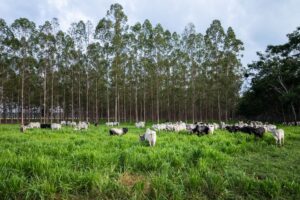
Restoring 40 million hectares of pasture could feed billions and ease pressure on the Amazon. Is the world paying attention?
New mini-doc explores deforestation, food security and the Brazilian cattle sector’s path to a more sustainable future
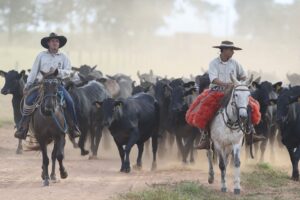
Mention Brazilian beef, and you’re likely to spark discussion about familiar themes: deforestation, emissions and blame. What do we find when we dig deeper? Here are the answers to five top questions about Brazil’s role in protecting the Amazon and feeding the world.
As climate change intensifies and the world’s population continues to grow, the pressure on our global food production system mounts. You can play an active role in shaping a more sustainable planet for future generations. Fill out the form below to learn more about how you can partner with us.
Receive notifications about the release date, new online content and how you can get involved